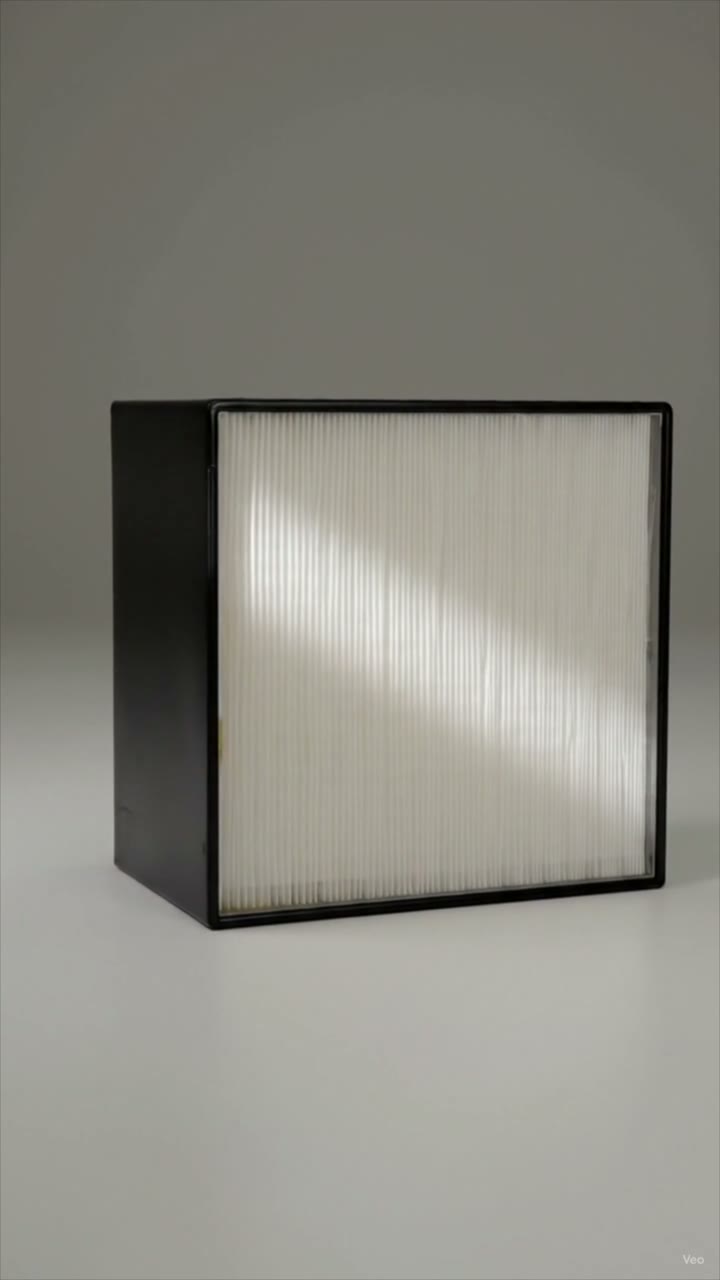
Chamber plates
The industry standard for high-throughput filtration. Optimal for processes with a consistent slurry composition.


Adaltech® filter press cloths and filter plates built for heavy-duty service in the most demanding industries. The ideal balance between filtration speed and dry filter cake quality.
Engineered solutions for maximum filter press throughput. Every plate in our range is the result of precision casting and engineered drainage design.
We offer high-quality filter plates designed for heavy-duty service in the most demanding industries — from mineral processing plants to wastewater treatment facilities.
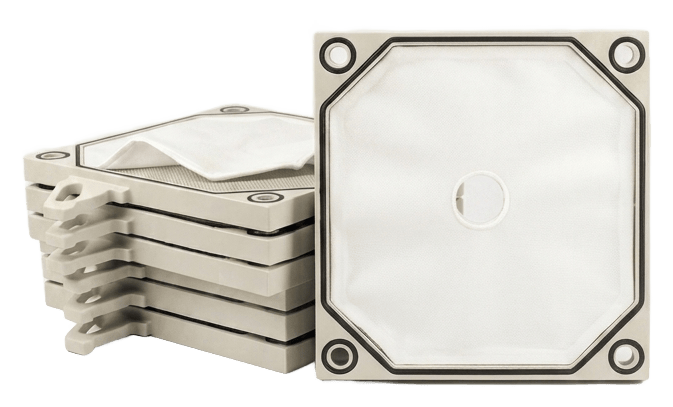
The industry standard for high-throughput filtration. Optimal for processes with a consistent slurry composition.
Enable cake squeezing after the main filtration stage. Critical for minimal residual cake moisture and shorter cycle times.
A classic solution for depth filtration, offering easy maintenance and consumable replacement.
In filter press operations, the quality of phase separation depends directly on the filter fabric. Adaltech® cloths are built to perform in the harshest industrial conditions.
| Material | Yarn type | Weight, g/m² | Thickness, mm | Air permeability, L/m²/s @200 Pa |
|---|---|---|---|---|
| Polypropylene | Mono/mono | 340 | 0,545 | 10 |
| Polypropylene | Mono/mono | 550 | 0,8 | 65 |
| Polypropylene | Mono/mono | 310 | 0,56 | 100 |
| Polyamide | Mono/mono | 420 | 0,6 | 950 |
| Polypropylene | Mono/multi | 560 | 0,9 | 80 |
| Polypropylene | Multi/multi | 380 | 0,75 | 18 |
| Polypropylene | Multi/multi | 420 | 0,85 | 65 |
| Polypropylene | Multi/multi | 600 | 1,13 | 25 |
| Polyester | Staple/staple | 550 | 0,91 | 15,8 |
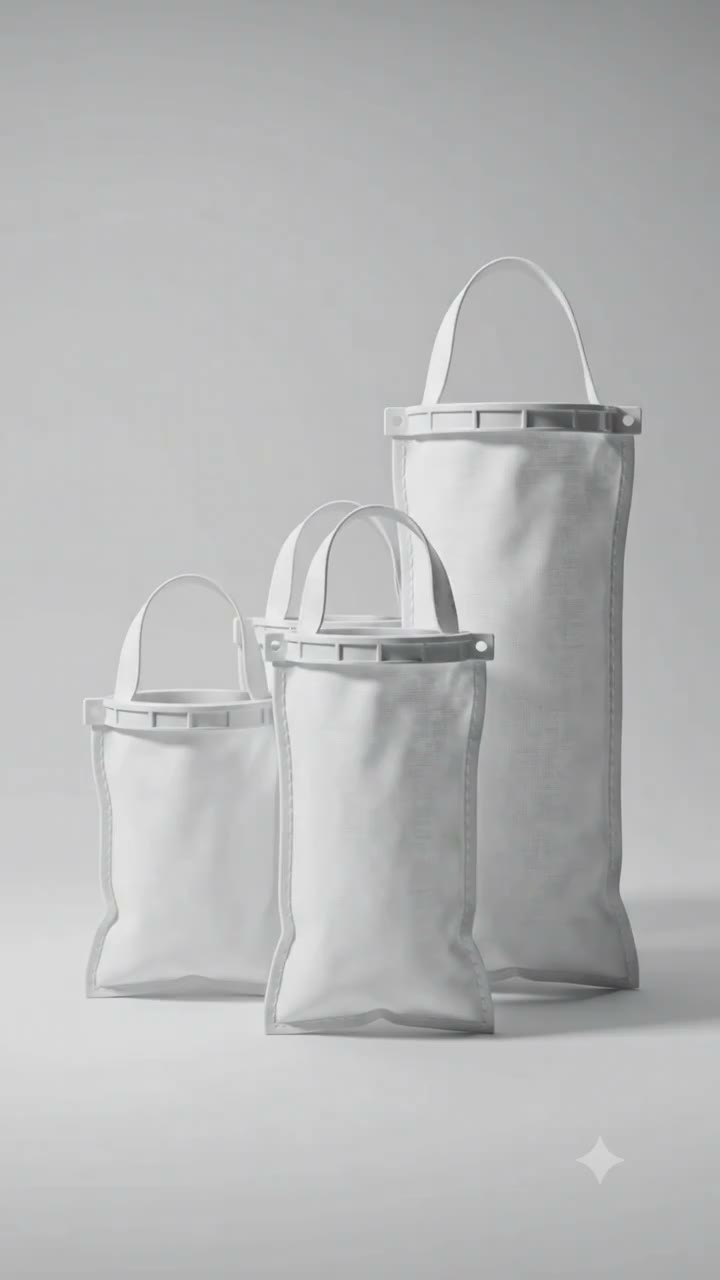
Cloths sewn to the size and design of your plates: reinforced zones, leak-tight necks, any fastening type.
 01→
Mining industryDewatering of concentrates and tailings. High wear-resistance cloths for abrasive pulps.
01→
Mining industryDewatering of concentrates and tailings. High wear-resistance cloths for abrasive pulps.
 02→
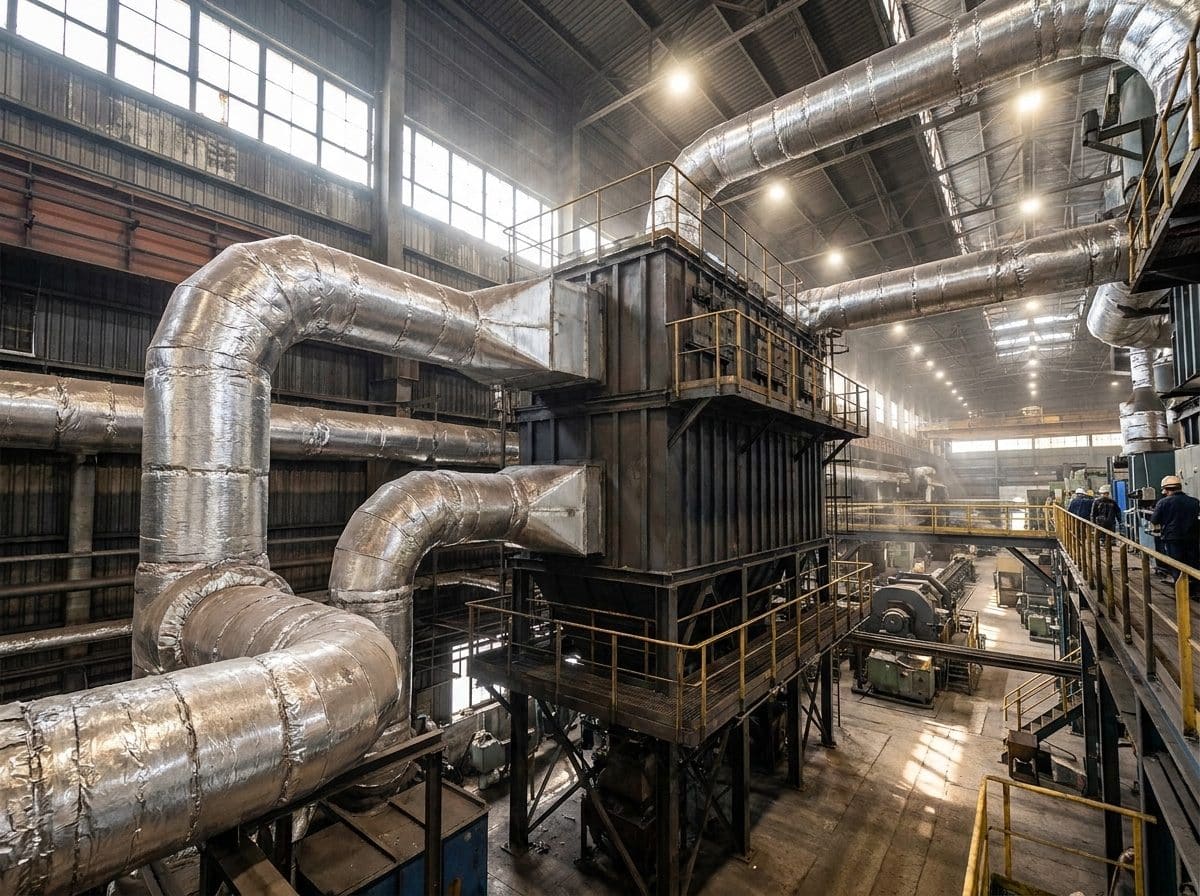
MetallurgyFiltration of sludges and pulps: resistance to abrasion and high temperatures.
02→
MetallurgyFiltration of sludges and pulps: resistance to abrasion and high temperatures.
 03→
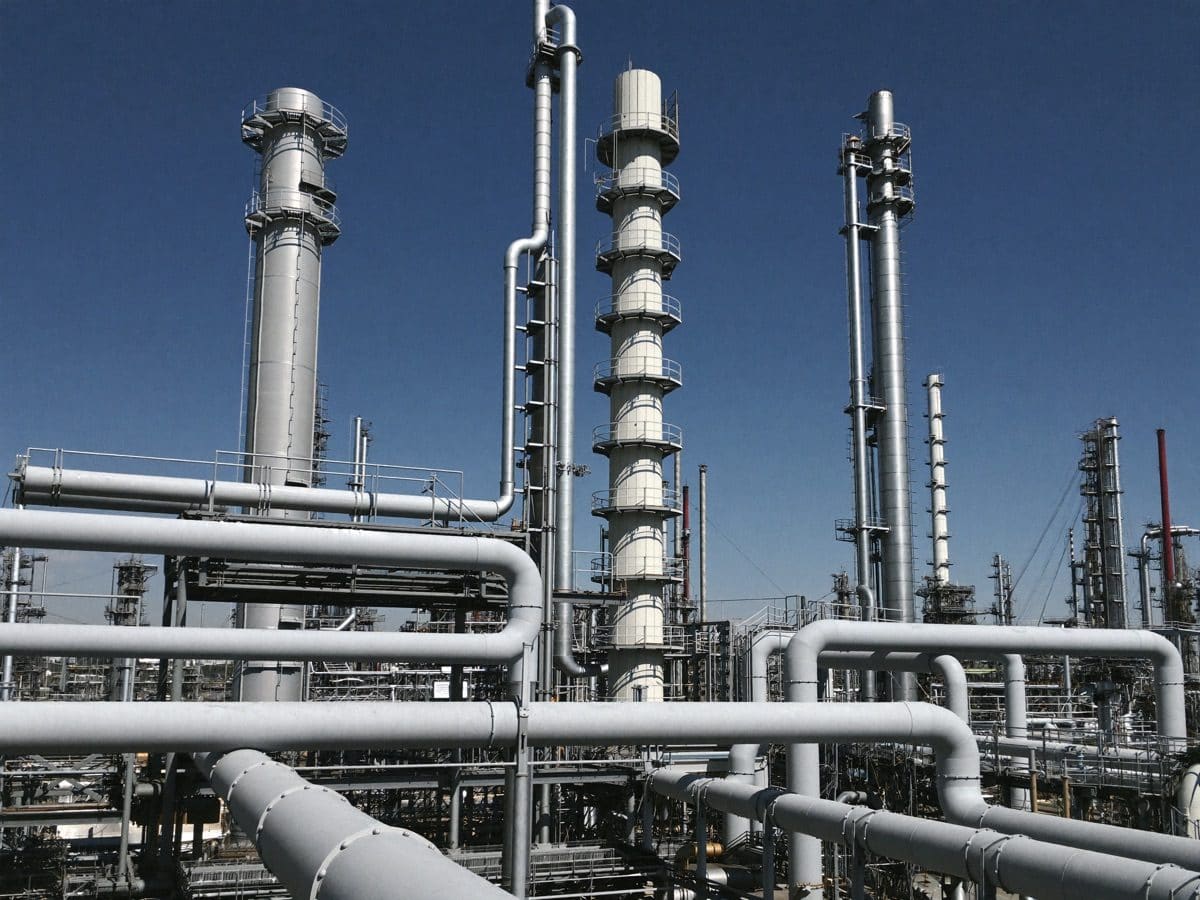
Oil & gasPhase separation of drilling fluids and oil sludges.
03→
Oil & gasPhase separation of drilling fluids and oil sludges.
 04→
Food industryFiltration of syrups, juices, and yeast slurries. Food-grade certified fabrics.
04→
Food industryFiltration of syrups, juices, and yeast slurries. Food-grade certified fabrics.
 05→
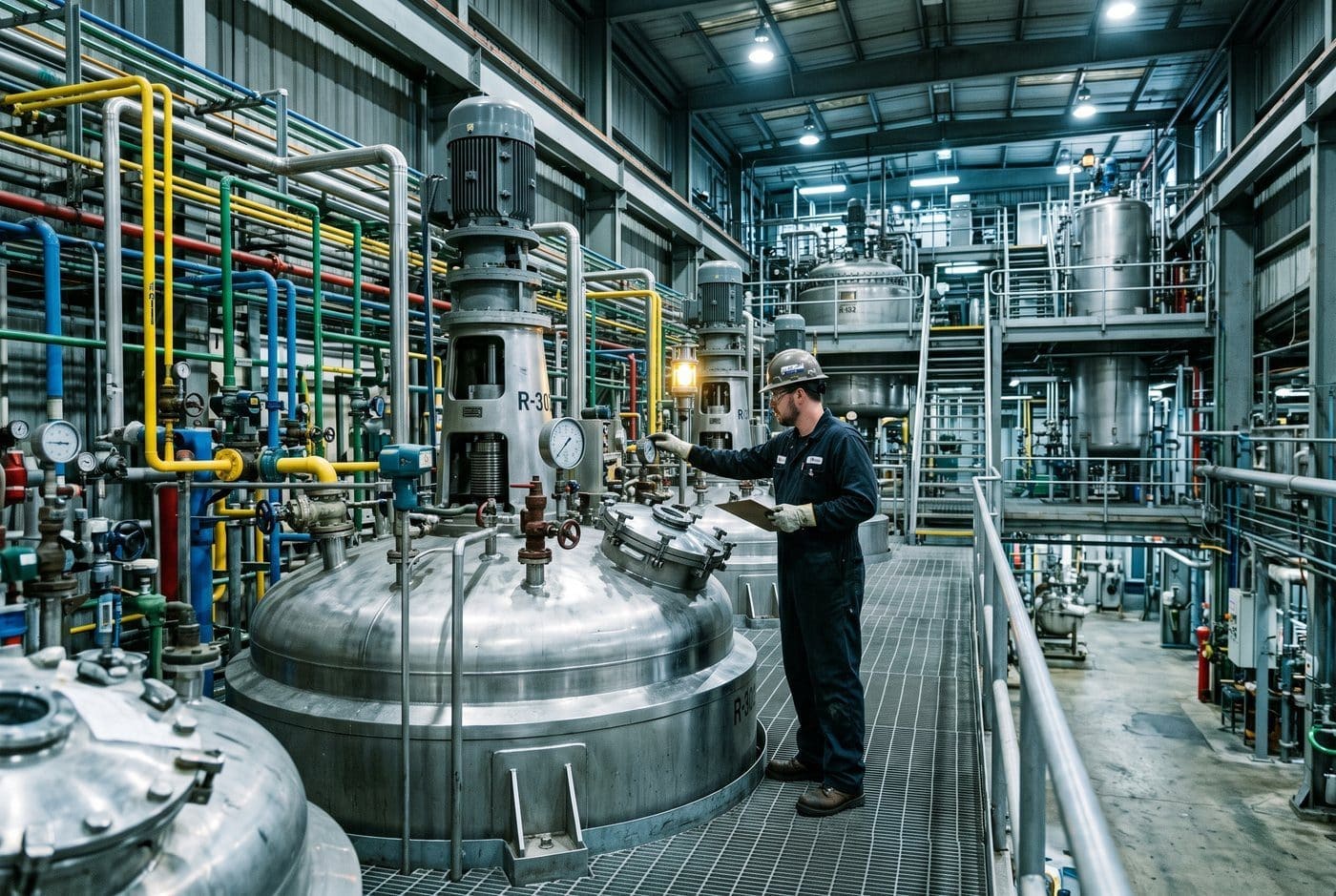
Chemical industryAcids and alkalis: polypropylene fabrics with pH 1–14 resistance.
05→
Chemical industryAcids and alkalis: polypropylene fabrics with pH 1–14 resistance.
 06→
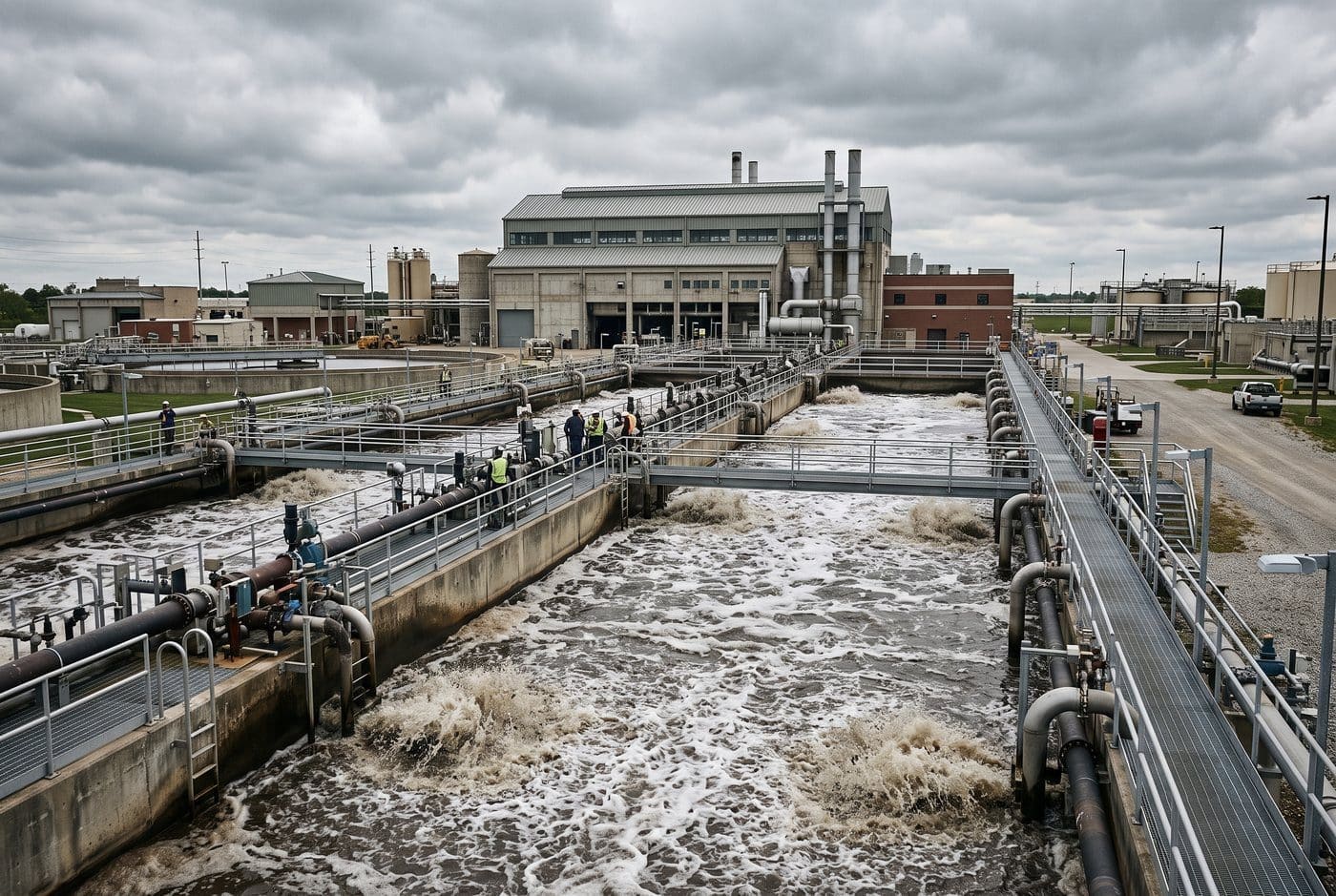
Wastewater treatment plantsSewage sludge dewatering prior to disposal.
06→
Wastewater treatment plantsSewage sludge dewatering prior to disposal.
 07→
PharmaceuticalsFine phase separation in API manufacturing.
07→
PharmaceuticalsFine phase separation in API manufacturing.
 08→
BiotechnologyGentle filtration of fermentation media without product contamination.
08→
BiotechnologyGentle filtration of fermentation media without product contamination.
Answered by Asiafilter Inc. process engineers. If your question is not here, send us your press parameters and slurry composition and we will review them individually.
Yes, sewing to the size and design of your specific plates is our standard way of working. We make cloths with reinforced areas, sealed necks and any type of attachment.
Our cloths and plates are compatible with all common types of filter presses. A plate drawing or a sample of your current cloth is enough for a quotation.
The key parameter is air permeability, which sets the balance between filtration speed and filtrate clarity. Across our range it varies from 5 to 510 l/m²/s at 200 Pa: dense fabrics deliver the cleanest filtrate, more permeable ones give higher cycle throughput.
The second parameter is yarn type. Mono/mono releases the filter cake easily and washes well, multi/multi retains fine particles, mono/multi and staple fabrics are the compromise options. Fabric weight is 310–600 g/m², thickness 0.5–1.13 mm.
A calendered cloth surface solves this (anti-stick effect): the cake separates from the fabric effortlessly, which noticeably shortens press discharge time.
If minimum residual cake moisture is also required, consider switching to membrane plates — they allow the cake to be squeezed after the main filtration stage.
This is blinding — the fabric pores clogging with fine fraction. Adaltech® cloths have a fiber structure that resists blinding: the filter keeps its throughput longer and washdown downtime drops.
If the problem persists, the yarn type or the fabric's air permeability usually needs to change — send us your current markings and cycle parameters.
Chamber plates are the industry standard: high throughput with a constant slurry composition. Membrane plates additionally squeeze the cake after the main filtration stage — critical where minimum residual moisture and shorter cycle time are required.
Plate and frame is the classic solution for depth filtration with simple maintenance and easy consumable replacement.
Yes. For the chemical industry we use polypropylene fabrics rated across pH 1–14 — they work in both acidic and alkaline media.
For food production — filtration of syrups, juices and yeast slurries — we supply fabrics with food-grade approvals.
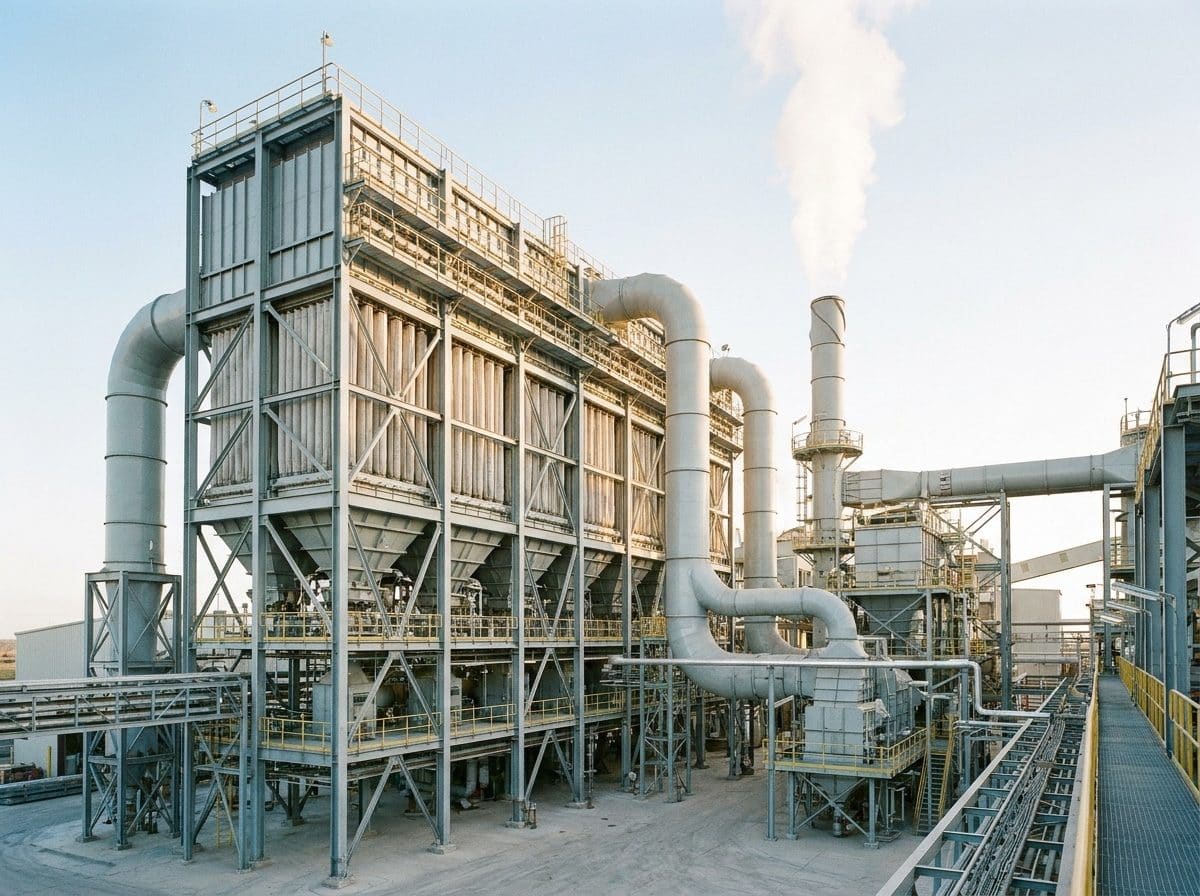
Mining (dewatering of concentrates and tailings), metallurgy (sludges and pulps), oil and gas (drilling muds and oil sludge), chemicals, food industry, wastewater treatment plants (sewage sludge dewatering), pharmaceuticals and biotechnology.
For abrasive pulps we supply cloths with increased wear resistance.
Send us your slurry characteristics, press type, and plate dimensions — Asiafilter Inc. process engineers will select the right Adaltech® fabric and prepare a cost estimate.